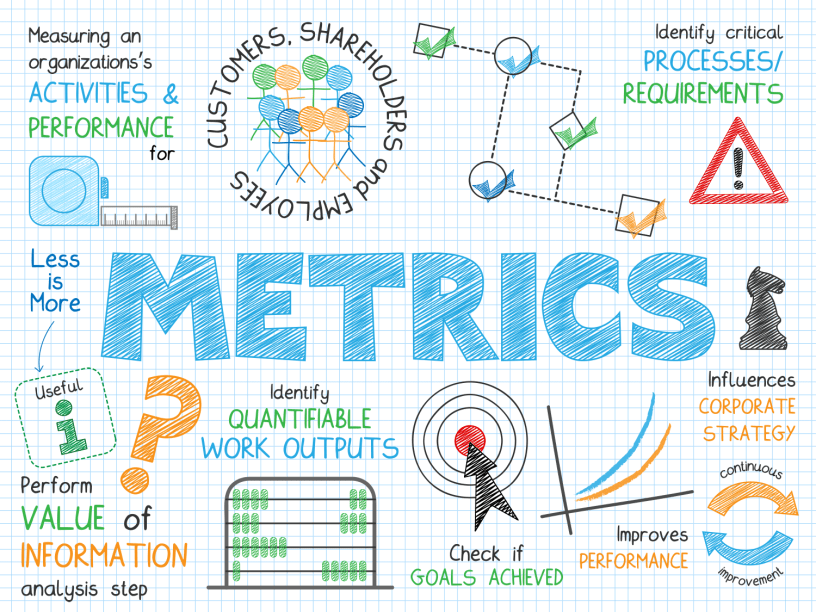
In today’s competitive business landscape, tracking and analyzing sales metrics is crucial for measuring performance, identifying areas of improvement, and driving business growth. By monitoring key sales metrics, businesses gain valuable insights into their sales process, customer behavior, and overall revenue generation. In this blog post, we will explore ten essential sales metrics that every business should track to enhance sales effectiveness and achieve long-term success.
1.Revenue.
Revenue is the lifeblood of any business, making it the fundamental sales metric to track. Monitoring revenue allows businesses to gauge their financial health and measure the effectiveness of their sales efforts. It provides a clear picture of overall sales performance and helps identify revenue trends over time.
2.Sales Conversion Rate.
The sales conversion rate measures the percentage of leads or prospects that convert into paying customers. Tracking this metric enables businesses to evaluate the efficiency of their sales process, identify bottlenecks, and optimize conversion strategies. A higher conversion rate indicates a more effective sales funnel and improved lead quality.
3.Average Deal Size.
The average deal size refers to the average value of each sales transaction. Monitoring this metric helps businesses understand the value their products or services bring to customers and identify opportunities for upselling or cross-selling. Increasing the average deal size directly contributes to revenue growth.
4.Sales Cycle Length
The sales cycle length measures the time it takes for a lead to progress through the sales pipeline and convert into a customer. By tracking this metric, businesses can identify potential roadblocks or delays in the sales process, optimize workflow, and improve efficiency. Shortening the sales cycle accelerates revenue generation.
5.Customer Acquisition Cost (CAC)
CAC measures the cost incurred to acquire a new customer. This metric considers all expenses associated with sales and marketing efforts, such as advertising, lead generation, and sales team salaries. By analyzing CAC, businesses can assess the profitability of their customer acquisition strategies and make informed decisions about resource allocation.
6.Customer Lifetime Value (CLV)
CLV represents the total revenue a customer is expected to generate throughout their relationship with the business. Tracking CLV helps businesses identify their most valuable customers, tailor marketing strategies accordingly, and prioritize customer retention efforts. Increasing CLV contributes to long-term revenue growth and customer loyalty.
7.Sales Growth Rate.
The sales growth rate compares current sales performance with past periods, reflecting the rate of revenue increase over time. Monitoring this metric allows businesses to evaluate the effectiveness of their sales strategies and adjust their approach accordingly. Consistent sales growth indicates a healthy business trajectory.
8.Win Rate.
The win rate measures the percentage of opportunities or deals that a sales team successfully closes. This metric helps businesses assess their sales team’s effectiveness, identify strengths and weaknesses, and implement strategies to improve win rates. A higher win rate indicates strong sales performance and effective sales tactics.
9.Sales Pipeline Value.
The sales pipeline value represents the total value of all deals in the sales pipeline. Tracking this metric provides a visual representation of the potential revenue that can be expected in the future. It helps businesses identify areas of opportunity, forecast sales projections, and allocate resources effectively.
10.Customer Churn Rate.
The customer churn rate measures the percentage of customers who discontinue their relationship with the business within a specific time period. Tracking this metric is crucial for understanding customer satisfaction, identifying areas for improvement in products or services, and implementing customer retention strategies. Reducing customer churn enhances long-term revenue stability and profitability.
Conclusion:
Tracking these ten essential sales metrics empowers businesses to gain valuable insights, make data-driven decisions, and drive sales effectiveness. By closely monitoring revenue, conversion rates, average deal size, and other key performance indicators, businesses can identify areas for improvement, optimize their sales strategies, and achieve sustainable growth. With a comprehensive understanding of these metrics, businesses can navigate the competitive landscape with confidence and maximize their sales performance.
 EFINO BUSINESS