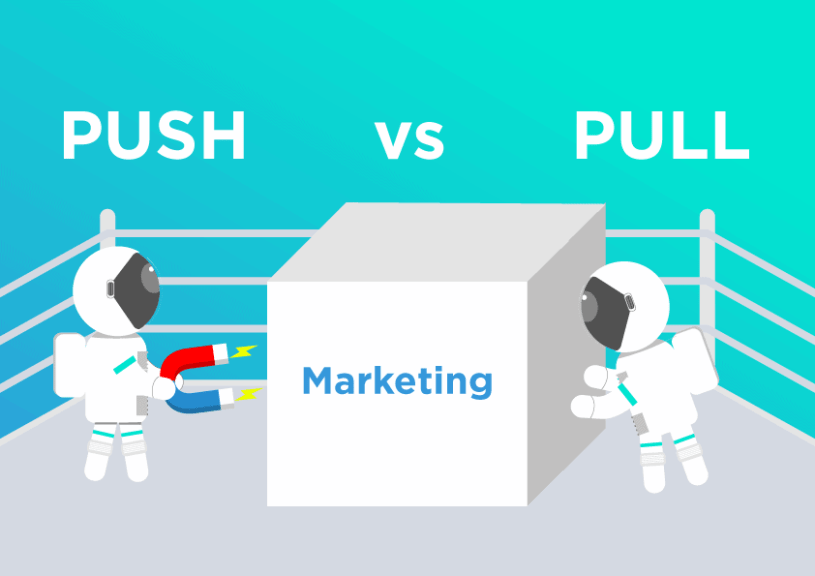
In the vast and ever-evolving world of marketing, two primary approaches have emerged: push marketing and pull marketing. While both aim to attract customers and drive sales, they employ distinct strategies to achieve their goals. In this blog post, we will explore the concepts of push marketing and pull marketing, their differences, and how businesses can leverage these strategies to effectively reach their target audience.
What is Push Marketing?
Push marketing is a proactive promotional strategy where businesses actively push their products or services to the target audience. The primary objective is to create demand and persuade customers to make a purchase. Push marketing relies on interruptive tactics, aiming to capture the attention of potential customers, even if they may not be actively seeking the product or service at that moment.
Some examples of push marketing techniques include:
- Television and radio advertisements
- Print advertisements (newspapers, magazines)
- Direct mail campaigns
- Cold calling and telemarketing
- Trade shows and exhibitions
- Sales promotions and discounts
The key aspect of push marketing is that businesses take the initiative to push their messages out to the target audience, regardless of their immediate interest or need. The aim is to raise awareness, capture attention, and stimulate demand.
What is Pull Marketing?
Pull marketing, on the other hand, revolves around creating a demand for products or services by attracting customers towards the brand. The approach involves making the brand or product highly visible and desirable, so that customers actively seek it out. Pull marketing strategies are based on the belief that customers already have an interest or need, and the goal is to pull them in through compelling marketing efforts.
Some examples of pull marketing techniques include:
- Content marketing (blog posts, videos, podcasts)
- Search engine optimization (SEO)
- Social media marketing
- Influencer marketing
- Word-of-mouth referrals
- Online reviews and ratings
- Branding and storytelling
Pull marketing aims to establish a strong brand presence and create a positive reputation, making customers more likely to seek out the brand when they are ready to make a purchase. By providing value and building relationships, pull marketing can generate organic interest and engagement.
Differences between Push Marketing and Pull Marketing:
- Approach: Push marketing takes a proactive approach by initiating contact with potential customers, while pull marketing focuses on creating a brand presence that attracts customers organically.
- Timing: Push marketing aims to generate immediate sales by reaching out to customers, often before they have expressed a specific interest. Pull marketing targets customers who are actively seeking information or solutions and are more likely to make a purchase.
- Customer Engagement: Push marketing tends to be more interruptive and intrusive, seeking to capture attention and persuade customers. In contrast, pull marketing focuses on building relationships, providing value, and engaging customers on their own terms.
- Control: Push marketing allows businesses to have more control over the marketing message and its distribution channels. Pull marketing relies more on customers’ preferences and behaviors, with businesses adapting their strategies accordingly.
Effective Integration and Synergy:
While push marketing and pull marketing have their distinct strategies, they can be effectively integrated to create a comprehensive marketing approach. By combining elements of both, businesses can maximize their reach, engage customers at various stages of the buyer’s journey, and achieve optimal results.
For instance, a business might use push marketing to raise awareness and generate initial interest through targeted advertising campaigns or promotional discounts. Once the customer is aware of the brand, pull marketing techniques like content marketing, social media engagement, and SEO can be employed to nurture the customer’s interest, build trust, and facilitate the decision-making process.
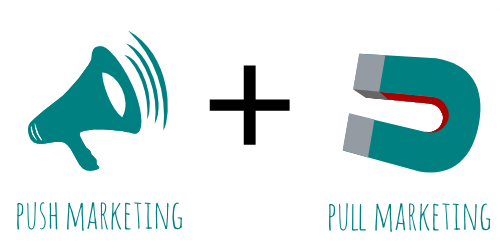
In today’s dynamic marketing landscape, understanding the concepts of push marketing and pull marketing is crucial for businesses seeking to drive customer acquisition. While push marketing focuses on proactive outreach and creating demand, pull marketing emphasizes attracting customers organically by building brand visibility and value. By integrating these strategies effectively, businesses can engage customers at different touchpoints, optimize their marketing efforts, and ultimately drive sales and growth.
Remember, the choice between push marketing and pull marketing depends on various factors, including the nature of the product or service, the target audience, and the specific goals of the marketing campaign. By tailoring the approach to suit the unique needs of their business, marketers can create a well-rounded marketing strategy that resonates with their customers and drives long-term success.
 EFINO BUSINESS